What is Web3 and How It Works
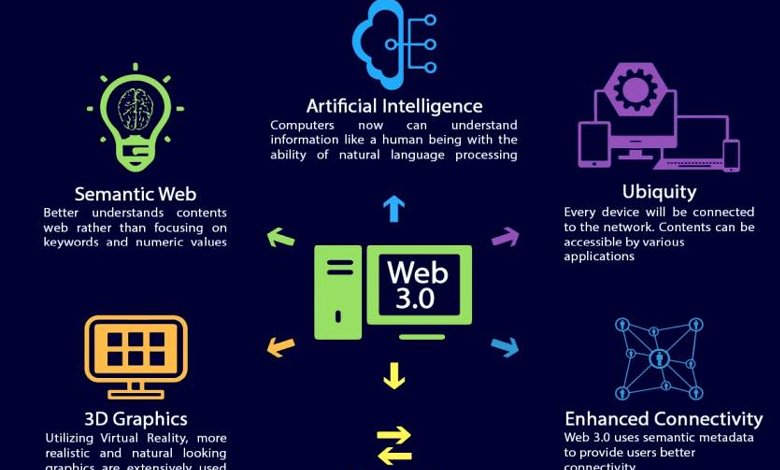
Web3 (Web 3.0) is the next generation of the internet built on blockchain technology. It allows users to own their data, digital assets, and identity instead of big companies controlling everything.
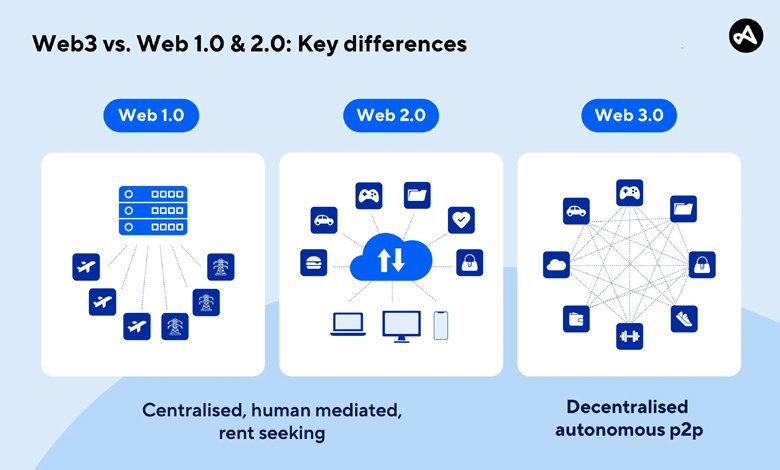
Unlike traditional internet platforms, Web3 is decentralized, meaning no single company or authority controls it.
Evolution of the Internet
1️⃣ Web1 (1990 – 2005) – Read Only
-
Static websites
-
Users could only read information
-
No interaction
Example: early websites and blogs.
2️⃣ Web2 (2005 – Present) – Read & Write
-
Interactive internet
-
Social media and apps
-
Companies control user data
Examples:
-
Facebook
-
YouTube
-
Google
Problem: Platforms own your data and content.
3️⃣ Web3 (Future Internet) – Read, Write & Own
-
Built on blockchain
-
Users control their data and digital assets
-
No centralized authority
Examples of Web3 platforms:
-
Ethereum
-
Polygon
-
Solana
How Web3 Works
Web3 works using several key technologies.
1️⃣ Blockchain
Blockchain is a decentralized digital ledger that records transactions across many computers.
Benefits:
-
Transparent
-
Secure
-
Cannot be easily hacked
Example cryptocurrencies:
-
Bitcoin
-
Ethereum
2️⃣ Smart Contracts
Smart contracts are self-executing programs stored on blockchain.
They automatically run when conditions are met.
Example:
-
If payment is sent → product is delivered automatically.
Smart contracts are widely used on the Ethereum blockchain.
3️⃣ Crypto Wallets
Users interact with Web3 through crypto wallets.
A wallet stores:
-
Cryptocurrency
-
NFTs
-
Digital identity
Popular wallets:
-
MetaMask
-
Trust Wallet
4️⃣ Decentralized Applications (DApps)
DApps are applications that run on blockchain instead of centralized servers.
Examples include:
-
DeFi platforms
-
NFT marketplaces
-
Blockchain games
Example platform: OpenSea
Benefits of Web3
✔ Decentralization
✔ More privacy
✔ Users own their data
✔ Secure transactions
✔ No middlemen
Challenges of Web3
⚠ Scalability issues
⚠ Regulatory uncertainty
⚠ Complex technology
⚠ Crypto volatility